Anne-Bettina-Brunet-53b26fdb.webp)
Historic heart – iconic architecture – port horizon
Le Havre’s city center, rebuilt after the bombings of the Second World War and inscribed on UNESCO’s World Heritage List, is a unique example of modern urban planning. Stroll along its wide avenues to discover its iconic architecture, leading to the historic heart of the city: the Saint-François district, which has been bustling for centuries with carpenters, workers, sailors, fishermen, and shipowners, and today is known for its returning fishing boats, lively quays, and restaurants.
Step 7 : Narrow House
Based on Erwin Wurm’s memories, this house, typical of the 1960s, welcomes us inside its distorted walls. Inside, the rooms, objects and furniture are stretched to the extreme, creating a playful sense of compression and a desire to escape.
.jpg)
Step 8 : Algues et coquillages
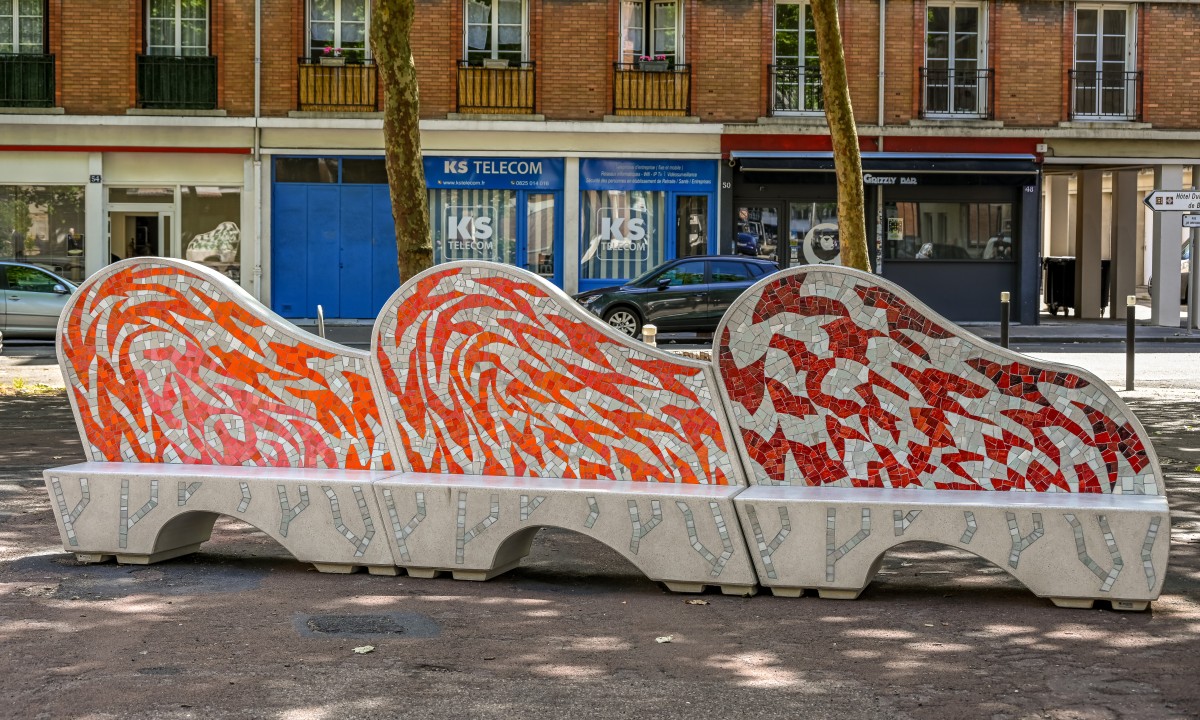
Mosaic-covered benches are inspired by the colours and shapes of the port city : waves, seaweed, the patterns found on seashells.
Step 9 : Jardins Fantômes
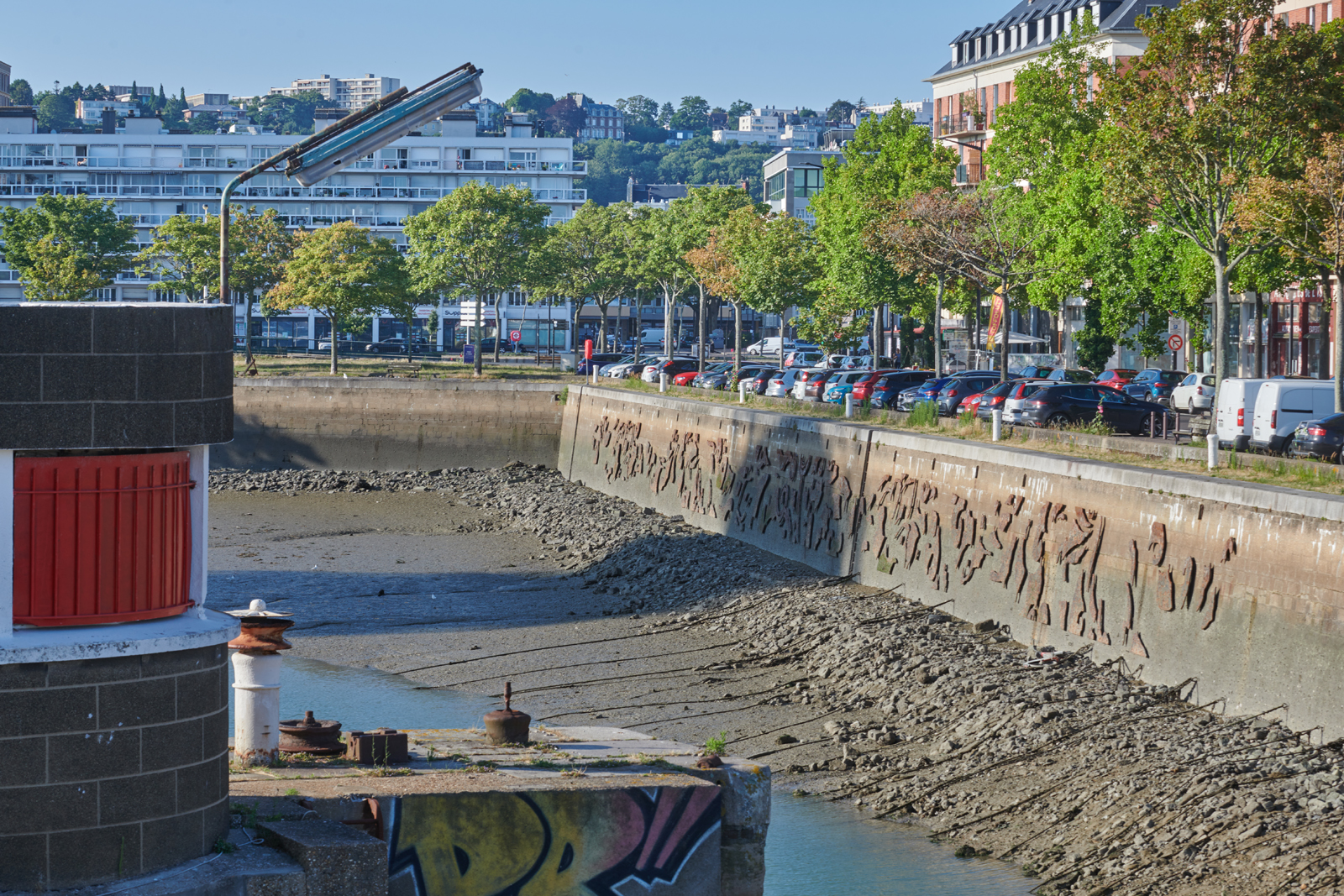
The dock is decorated with motifs inspired by those in the bedroom of Francis I in his castle at Blois. Tidal movements transform these decorative features, reflecting the constant movement of the water and the slow transformation of the landscape.
Step 10 : Sorcière de la mer
This is located in the Saint-François district, where travellers and fishermen have been selling their finds for centuries. This whimsical figure, which also serves as a weather vane, reflects the darkness of the sea depths, as well as the joy of living by the sea and collecting its treasures.
-min.jpg)
Step 11 : Maison de l'Armateur
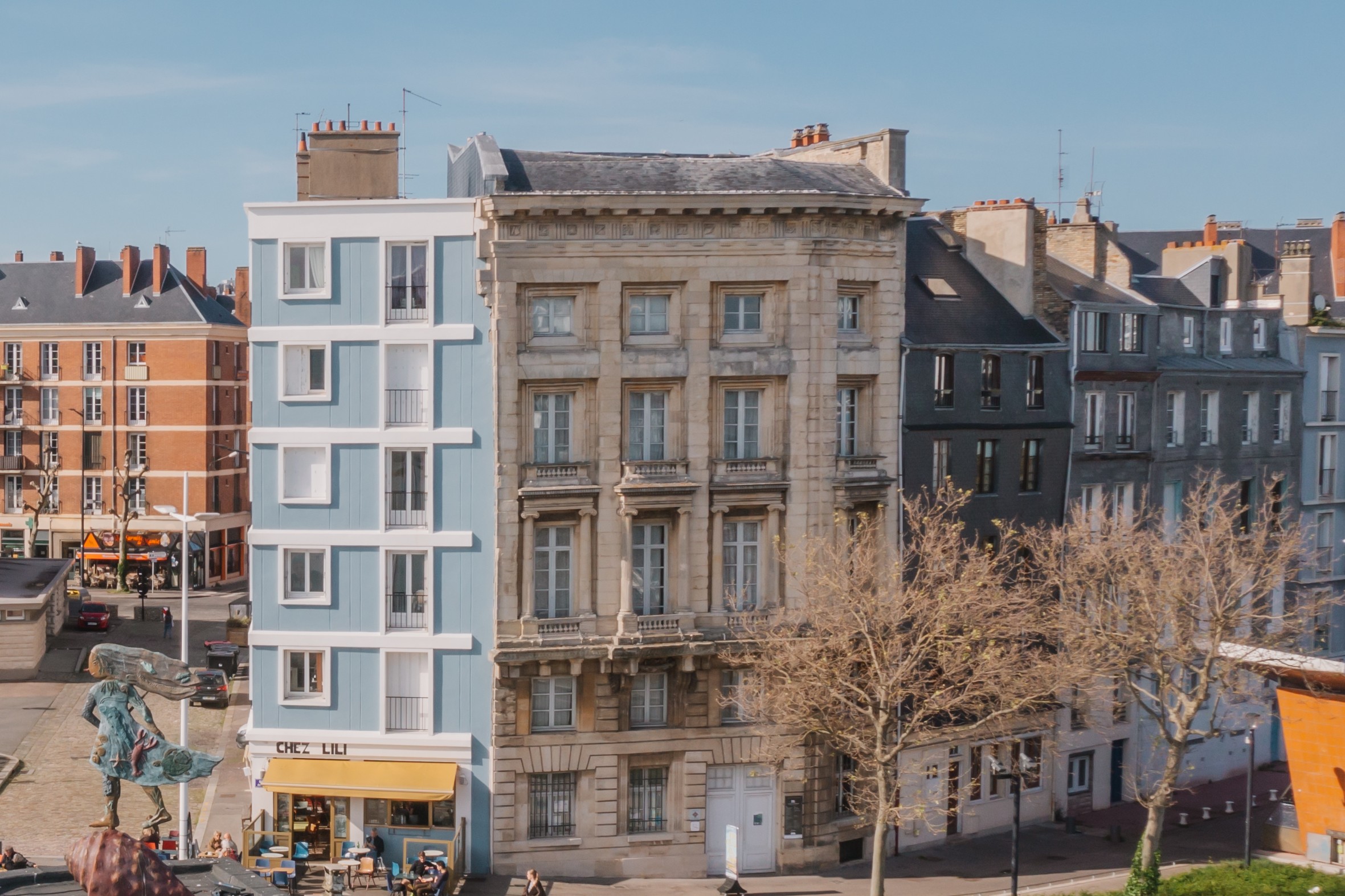
Built at the end of the eighteenth century by architect Paul-Michel Thibault for his personal use, this residence was then bought by a Le Havre merchant-shipowner, Martin-Pierre Foäche. The originality of this house lies in its interior arrangement around a central light shaft which functions as a focal point for the location of the rooms over the five levels of the residence. This museum follows the life of a merchant family during the eighteenth and nineteenth centuries.
Step 12 : Muséum
This former courthouse was converted into a museum in 1881; only its four exterior stone walls remained after the 1944 bombings. A registered historical monument, it reopened its doors in 1973, and then was the object of a significant redevelopment project in 2007. Harbouring thousands of items from the fields of palaeontology, zoology and prehistory, its collections are also renowned because they feature more than 8,000 drawings and manuscripts by the painter and explorer Charles-Alexandre Lesueur (1778-1846).
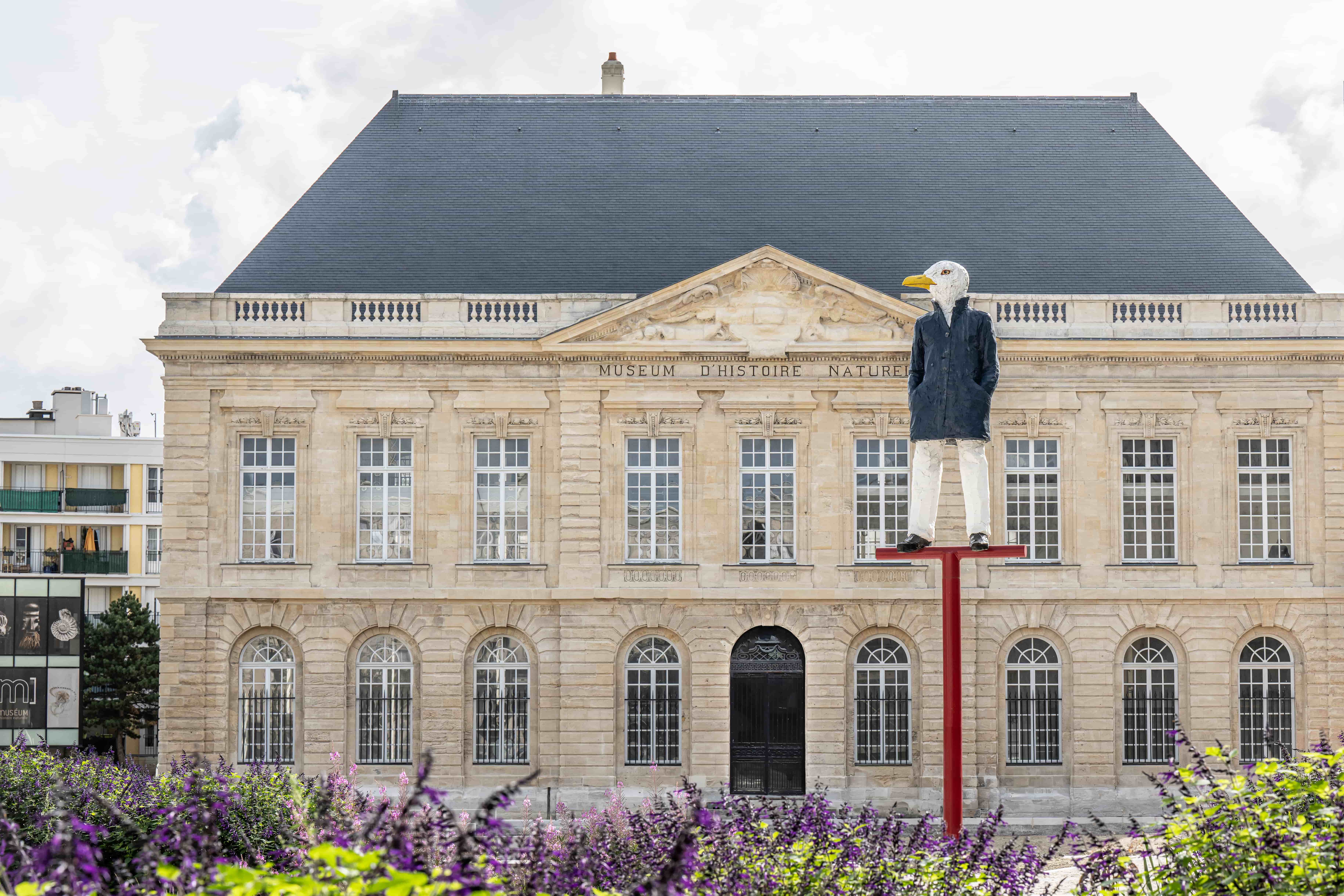
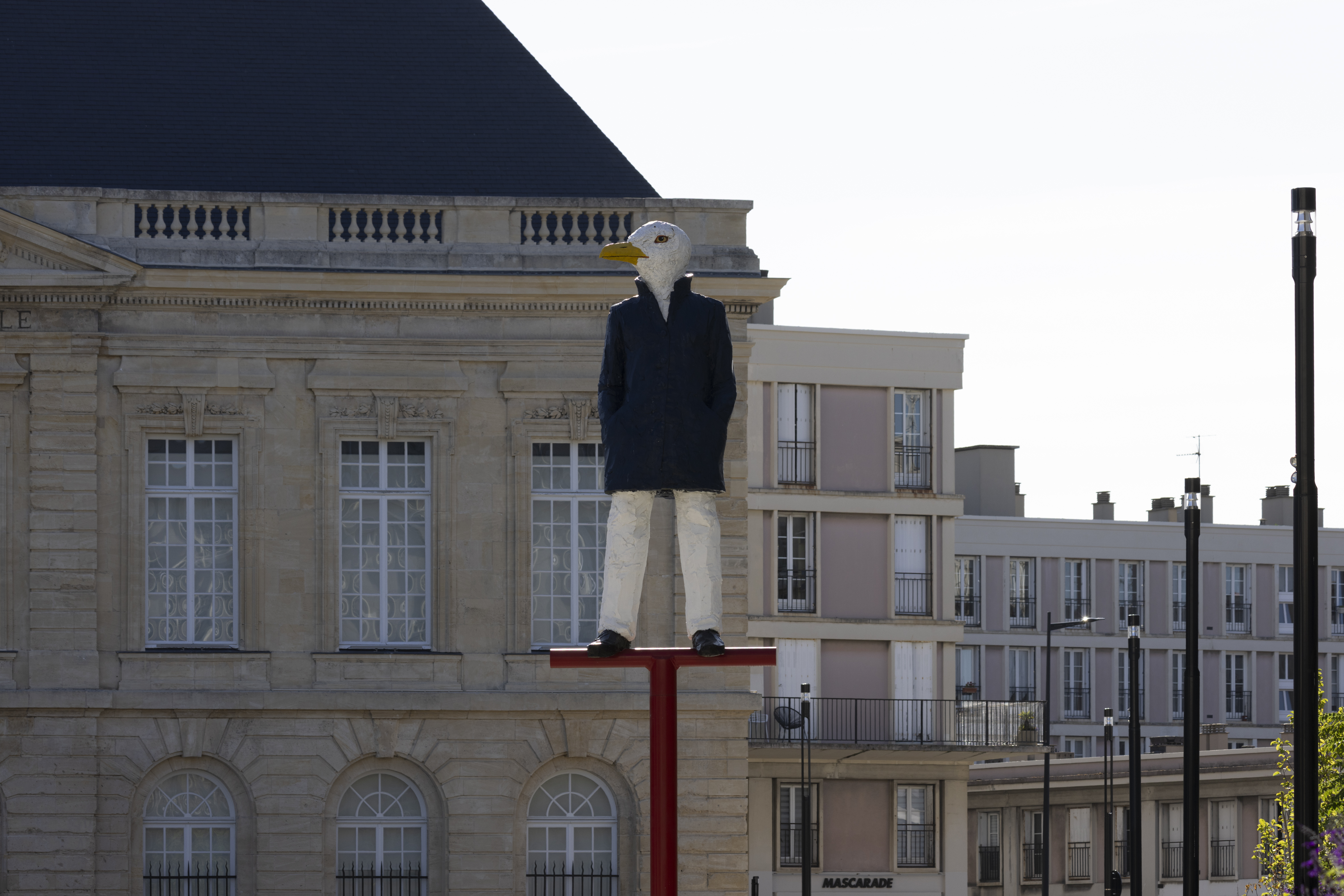
Step 13 : Monsieur Goéland
This proud hybrid figure, standing tall on his perch, is the very essence of Le Havre. Monsieur Goéland, a mysterious creature and perhaps a traveller, reflects our relationship with this winged neighbour, which is so familiar to the people of Le Havre that such a mutation would seem possible.
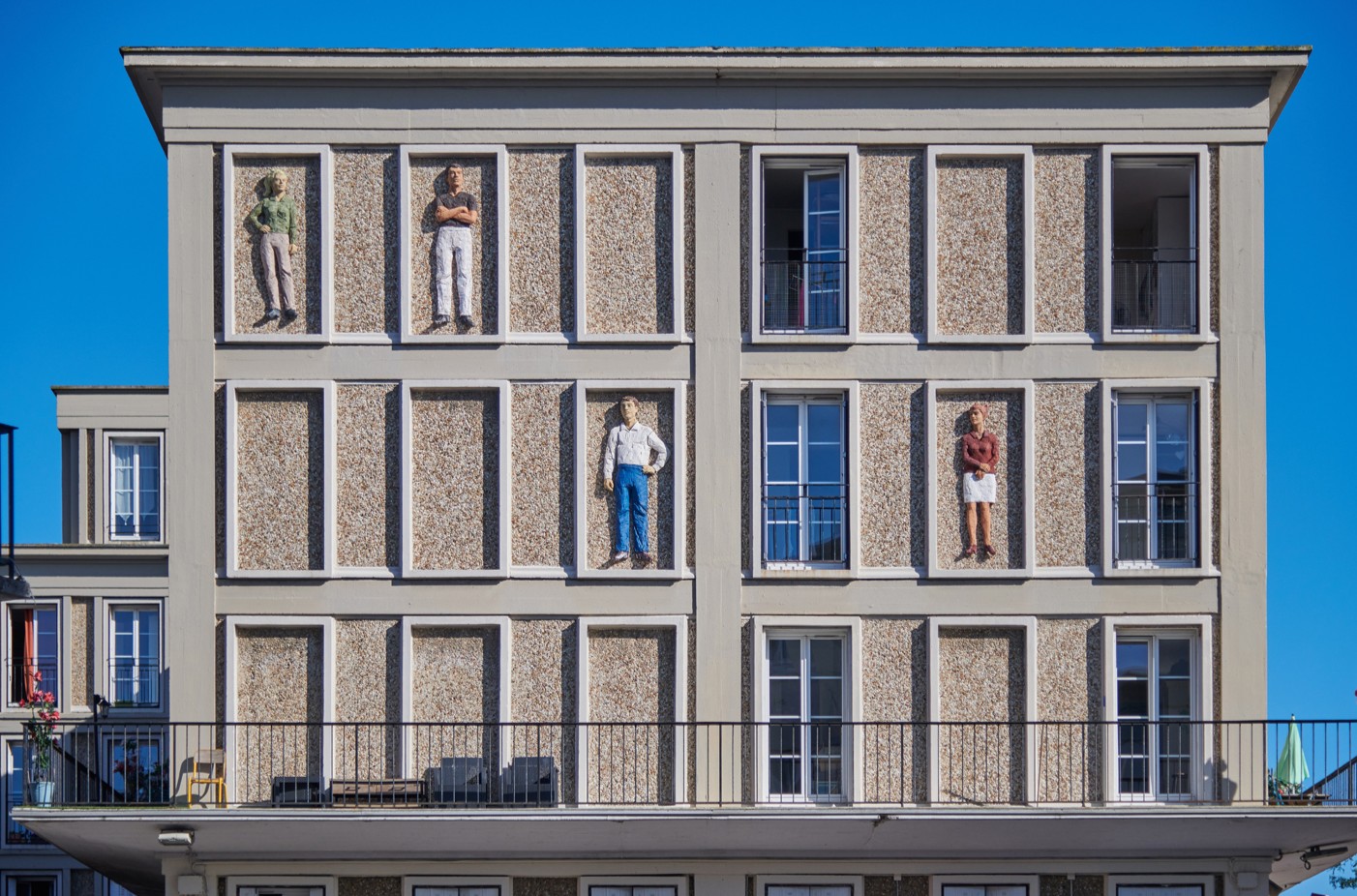
Step 14 : Apparitions
Strange occupants have moved into the empty window frames in the Perret buildings, mingling with the residents. These characters with expressionless faces form a human-like grouping whose presence is both subtle and enigmatic.
Step 15 : Sur le motif
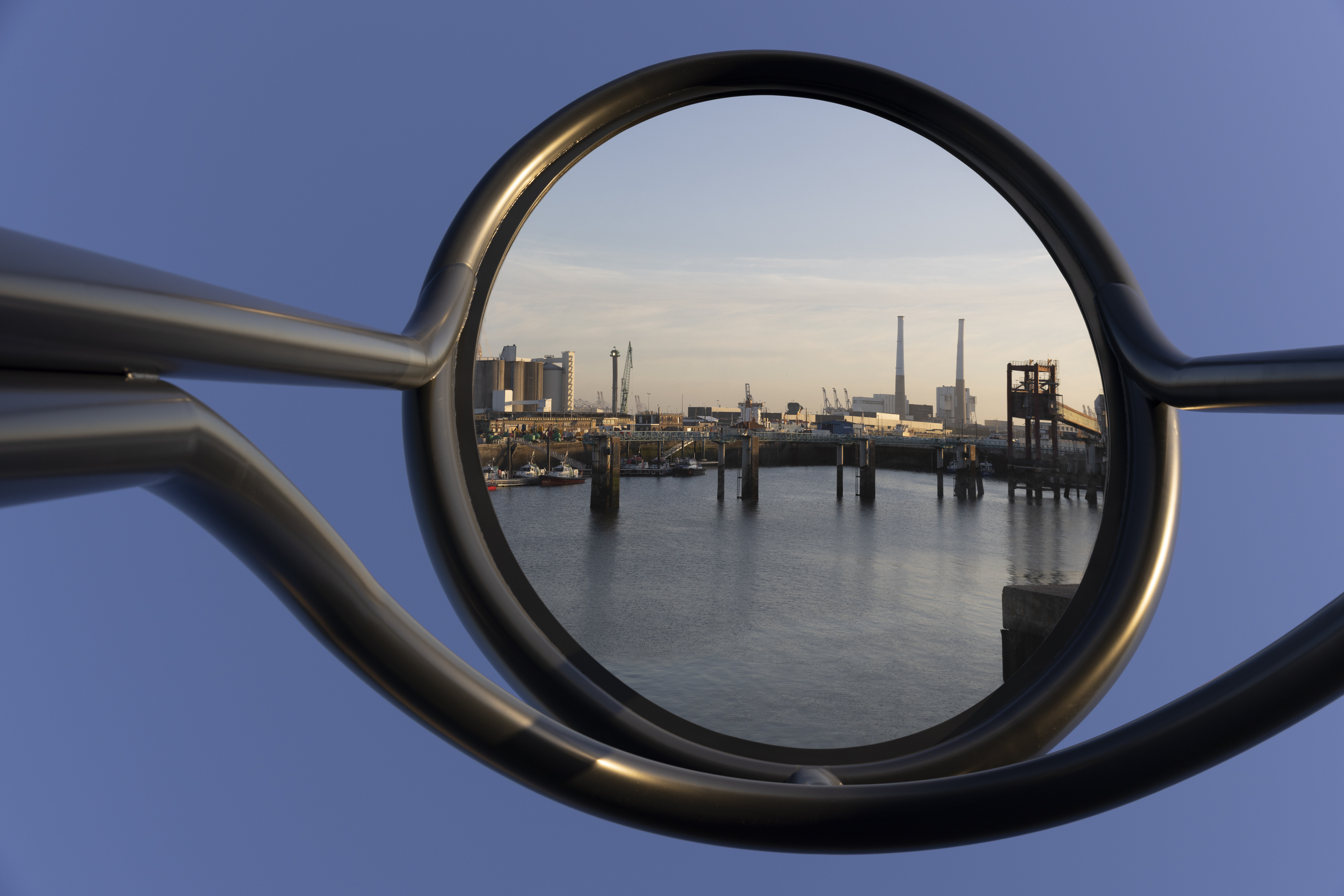
Sur le motif is an installation recreating Claude Monet’s viewpoint from when he painted Impression, soleil levant. This meaningful piece invites us to revisit the scene: several dates, engraved at the foot of the structure, indicate when the light and tidal conditions will most closely resemble those in the original painting.